ADVOCACY ACTIVITIES BY WOMEN CLIMATE LEADERS ON CLIMATE CHANGE AND SEXUAL AND REPRODUCTIVE HEALTH AND RIGHTS (SRHR)

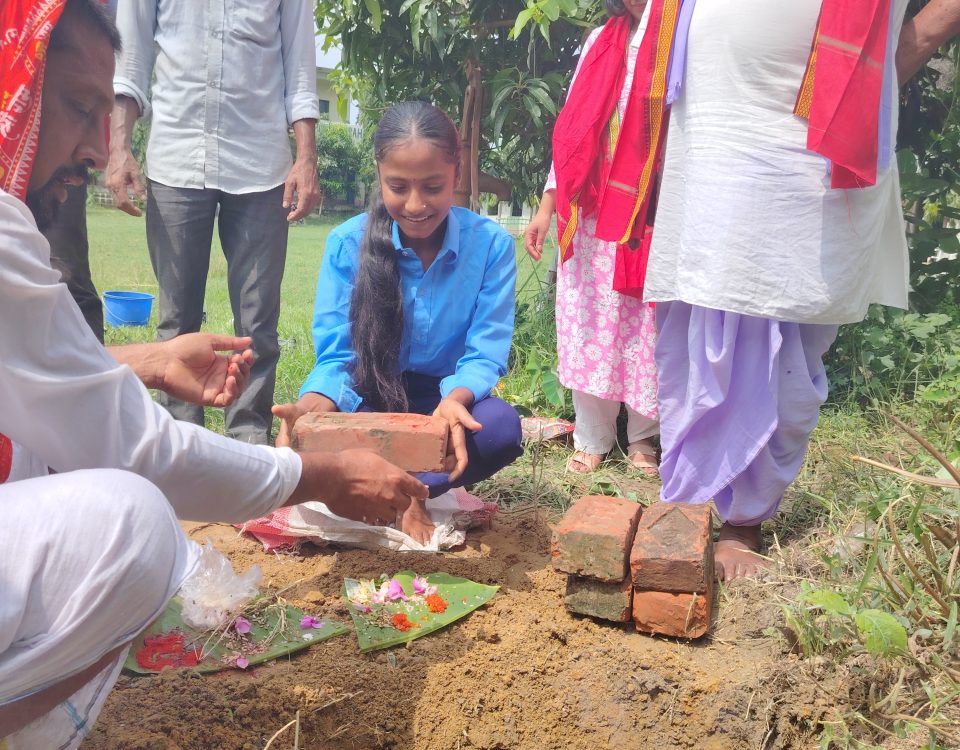
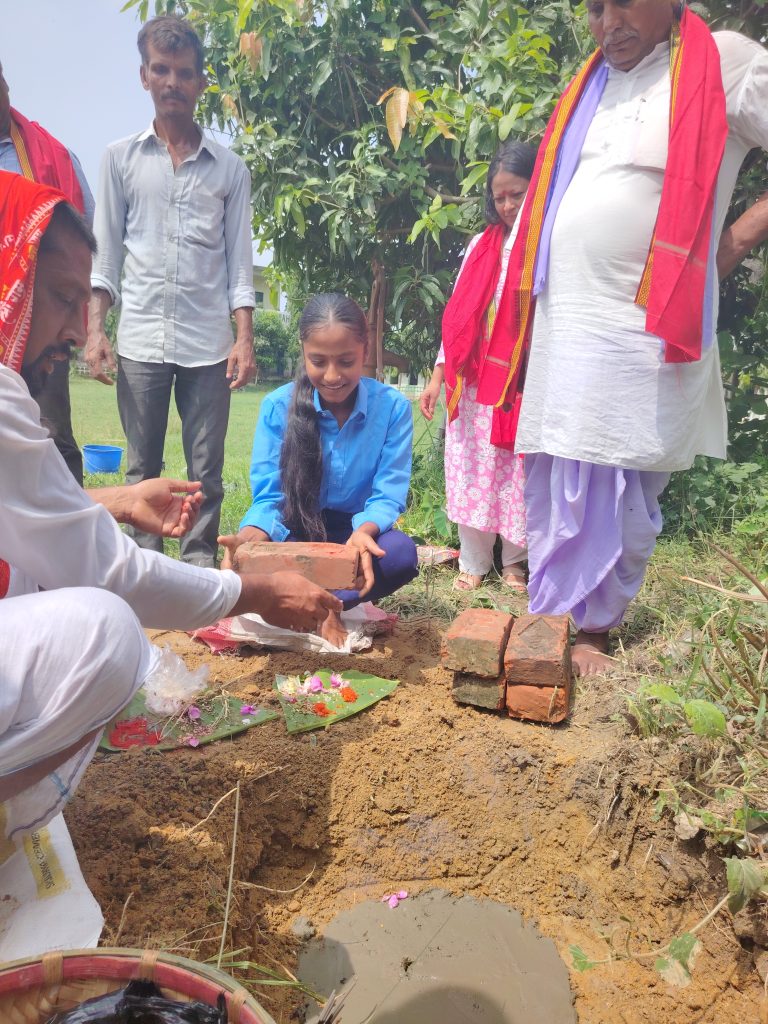
Construction of a Toilet for School Children in Siraha, Nepal
August 13, 2026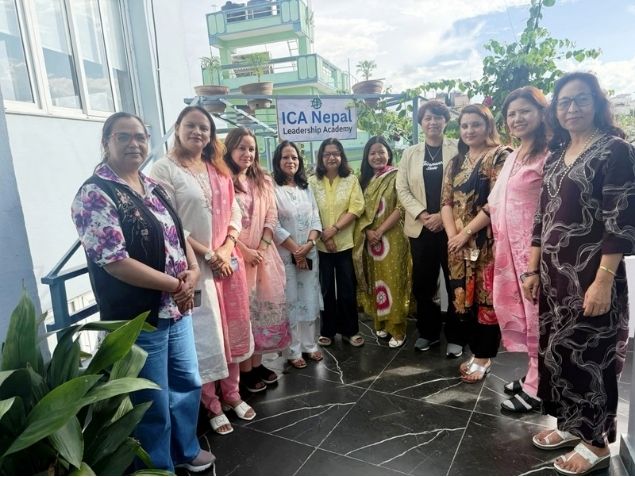
Climate change has disproportionately affected women and marginalized communities, while the integration of gender equality and Sexual and Reproductive Health and Rights (SRHR) into climate resilience policies and programmes remains limited. Recognizing these gaps, ICA Nepal, with the support of the Global Panorama Project, implemented the Integrated Advocacy Capacity Building Programme to strengthen women-led advocacy on the intersection of climate change, gender equality, and SRHR. The programme was strategically designed to empower women leaders as catalysts for change by enhancing their knowledge, advocacy skills, and leadership capacities. It aimed to enable women leaders to effectively represent their communities, amplify the voices of women and marginalized groups, and ensure that their priorities are incorporated into climate resilience, adaptation, and disaster preparedness planning and policies.
The programme had the following key objectives:
1.Strengthen women’s capacity in advocacy, leadership, and networking.
2.Support the development and implementation of women-led advocacy initiatives on climate resilience, climate adaptation, disaster preparedness, and the intersecting issues of Sexual and Reproductive Health and Rights (SRHR) and family planning.
3.Document best practices, lessons learned, and effective advocacy models.
4.Establish and strengthen a network of women champions advocating for sustainable and gender-responsive development.
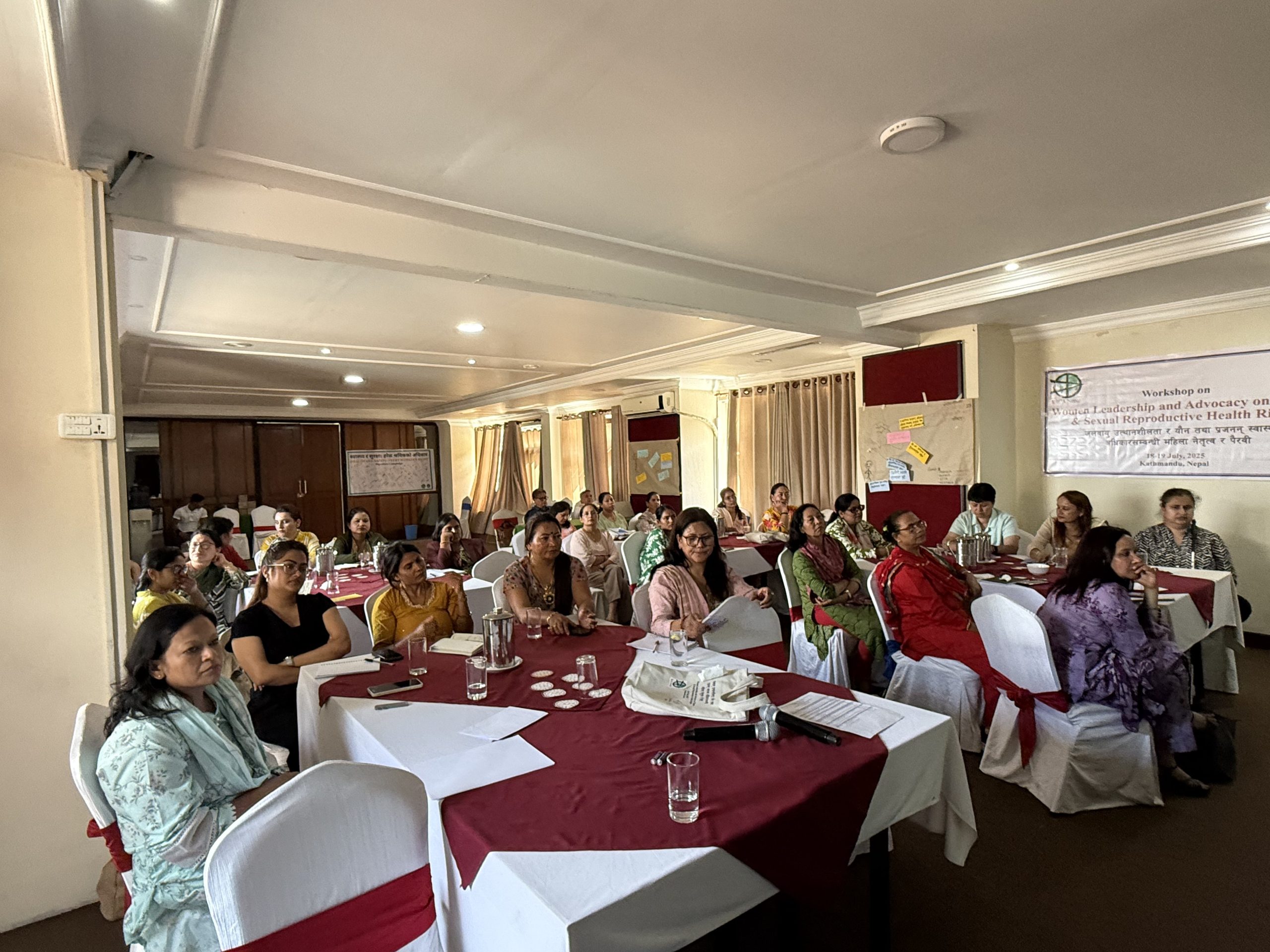
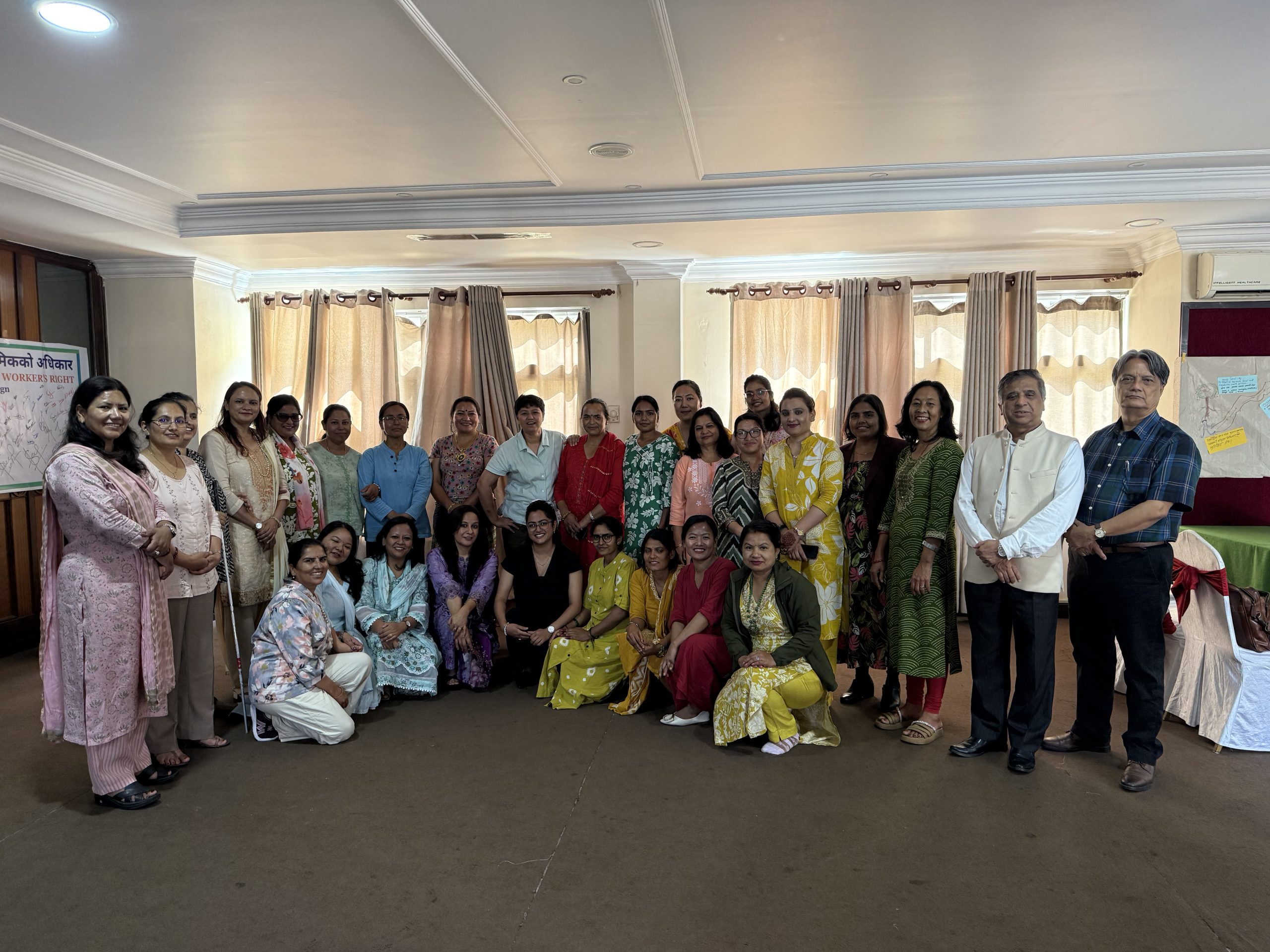
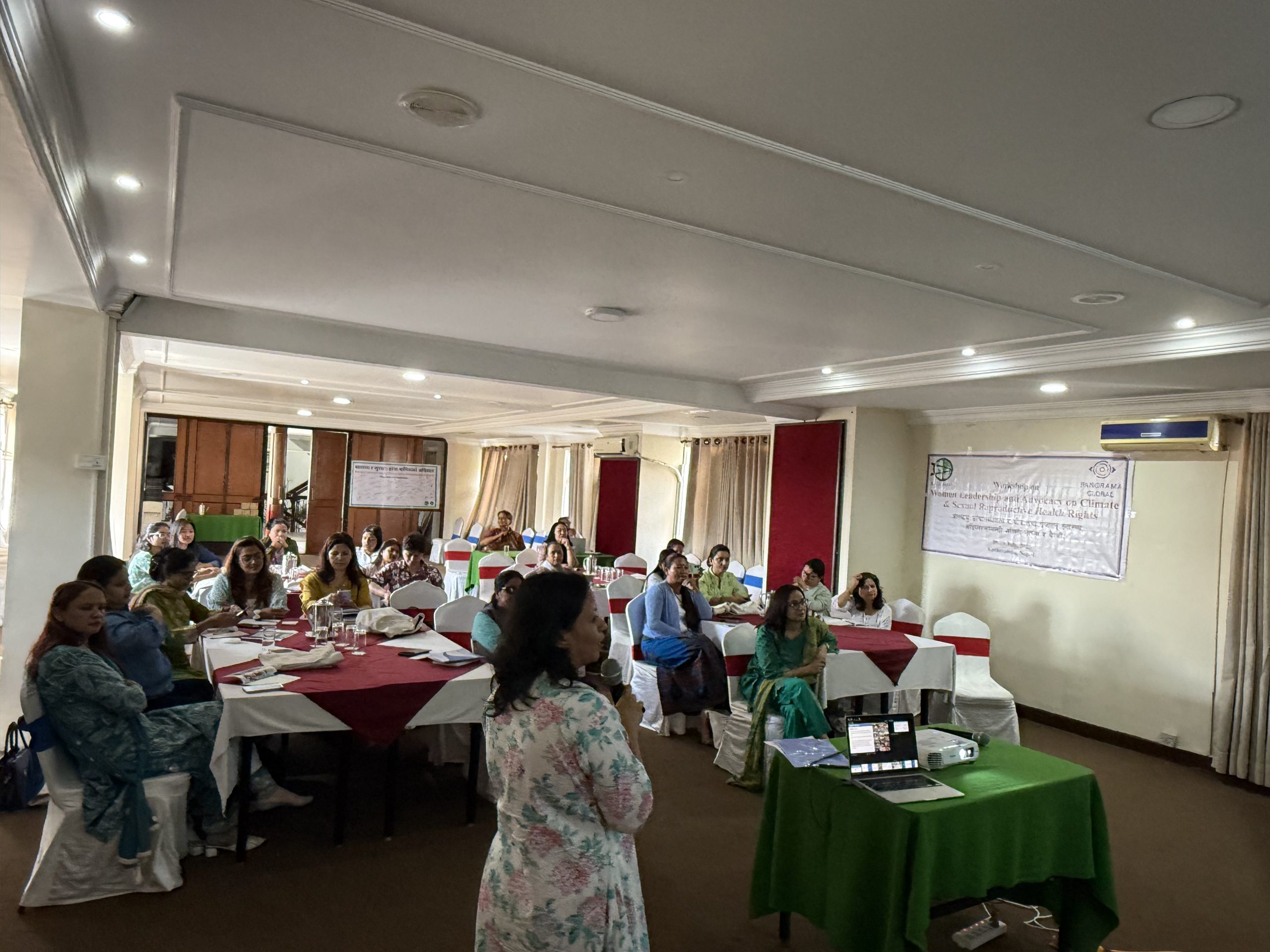
To achieve these objectives, ICA Nepal selected ten women leaders from climate-vulnerable communities across Nepal. The participants represented diverse backgrounds, including women’s groups, community-based organizations, local non-governmental organizations, elected representatives, and community leaders. Following their selection, the women leaders participated in a comprehensive capacity-building programme focused on advocacy and climate resilience. The training equipped participants with practical skills to identify priority issues, develop evidence-based advocacy strategies, design impactful campaigns, and effectively engage with decision-makers at different levels. The programme also strengthened participants’ understanding of the interconnections between climate change, gender equality, SRHR, and family planning, enabling them to translate their knowledge into community-led action.